General Information
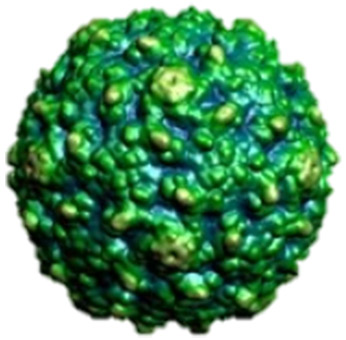
Enteroviruses are a family of viruses that include polioviruses (viruses that cause polio) along with other non-polioviruses such as coxsackieviruses and echoviruses. Non-polio enteroviruses are very common, (there are over 60 types of non-polioviruses) and are estimated to cause 10 – 15 million infections in the United States each year. Enterovirus D68 (EV-D68) is one of many non-polio enteroviruses. This virus was first identified in California in 1962. Only the common cold (rhinovirus – also part of this viral Family) is a more common viral infection. Anyone can get infected with non-polio enteroviruses, but infants, children and teenagers are more likely to get infected and become sick because they have not yet built immunity to the virus through previous exposures.
Significance
Enterovirus infections are most likely to occur in the summer and fall. Enterovirus disease came to national attention in the fall of 2014 when the United States Centers for Disease Control and Prevention (CDC) identified an acute outbreak of EV-D68. This outbreak sent hundreds of children to the hospital. Further outbreaks were seen in 2016, 2018 and to a lesser extent in 2020. More isolates have been noted in late summer of 2022, following the ‘every two years’ pattern. The recent EV-D68 outbreak in the United States has increased interest in enterovirus infections because like other enteroviruses, EV-68 causes a respiratory illness primarily in children, but it is unusual because it is causing more severe symptoms.
Symptoms
Non-polio enteroviruses cause a variety of different illnesses. Most EV-D68 infections are generally mild, with people often showing either no symptoms while infected or mild cold-like symptoms. In other cases, symptoms can be severe enough to warrant intensive care in the hospital.
- Mild symptoms may include fever, runny nose, sneezing, cough, and body and muscle aches.
- Individuals with a history of asthma may be more at risk for developing infection.
- In rare cases, enteroviruses can attack the central nervous system and cause paralysis or even death. See a physician if these symptoms occur after a respiratory illness:
- arm or leg weakness
- pain in the neck, back, arms, or legs
- difficulty swallowing or slurred speech
- difficulty moving the eyes or drooping eyelids
- facial droop or weakness
Transmission
Infection can occur when there is close contact with an infected person. Enteroviruses are spread from person to person through contact with nasal secretions, saliva, or stool from an infected person, or by contact with surfaces contaminated with bodily secretions from an infected person.
While anyone can become infected with enterovirus, infants, children and teenagers are more likely to become infected and get sick because they have not developed immunity from past exposures. Infants, children with asthma or anyone with a weakened immune system seem be to be more at risk of complications or a severe illness.
Acute Flaccid Myelitis (AFM)
Acute flaccid myelitis (AFM) is a serious neurologic syndrome that can cause paralysis, predominantly in previously healthy children. AFM is a syndrome characterized by the acute (sudden) onset of flaccid limb weakness. AFM can progress rapidly over the course of hours or days, leading to permanent paralysis and the life-threatening complication of respiratory failure. Urgent transport to an emergency department is required if any of those symptoms develop. Enteroviruses, particularly EV-D68, are likely responsible for the increase in cases every two years
Transmission
Infection can occur when there is close contact with an infected person. Enteroviruses are spread from person to person through contact with nasal secretions, saliva, or stool from an infected person, or by contact with surfaces contaminated with bodily secretions from an infected person.
Treatment
There is no specific treatment for people with respiratory illness caused by EV-D68 or other non-polio enterovirus infections. Fortunately, most instances of infection lead to mild illness that resolves on its own, or does not cause any illness. For those with mild respiratory illness, symptoms can be relieved by taking over-the-counter medications for pain and fever for recovery. However, some illnesses caused by non-polio enterovirus can be severe enough to require hospitalization. There are no antiviral medications or vaccines available today.
Prevention
Help protect yourself from respiratory illnesses by following these steps:
Wash hands often with soap and water for 20 seconds, especially after using the toilet or changing diapers.
- Avoid touching eyes, nose and mouth with unwashed hands.
- Avoid close contact with those who are sick, including touching, shaking hands, hugging, kissing, and sharing food.
- Clean and disinfect frequently touched surfaces, such as door knobs and toys, especially if someone is sick.
The following is recommended for patients with EV-D68 and other common viral respiratory illnesses:
- Standard, Contact and Droplet isolation
- Frequent hand hygiene
- Appropriate and frequent cleaning and disinfection of environmental surfaces and patient care equipment using a hospital-grade disinfectant with an EPA label claim against EV-D68 or any of several other non-enveloped viruses (e.g., Norovirus, Poliovirus, Rhinovirus).
- Respiratory hygiene/cough etiquette to prevent the spread of contaminated respiratory secretions.
Cleaning and Disinfection of Environmental Surfaces
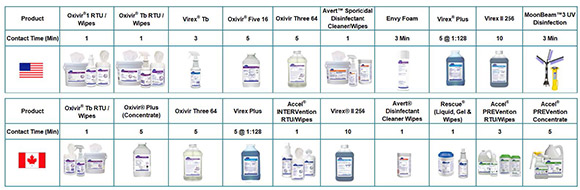
Diligent environmental cleaning and disinfection and safe handling of potentially contaminated materials is essential. Due to the rarity of the Enterovirus D68 (EV-D68), there are not specific disinfectant efficacy claims for EV-D68 available to date. The CDC recommends the use of an EPA-registered, hospital disinfectant with label claim against EV-D68 or any of several other non-enveloped viruses (e.g., norovirus, poliovirus, rhinovirus) to disinfect surfaces in healthcare settings for suspected or confirmed non-polio Enteroviruses.
The following Diversey disinfectants have been tested and shown to be efficacious against Poliovirus and Rhinovirus as well as several other non-enveloped viruses when used in accordance with label instructions:
Guidelines and Recommendations/Resources
Additional information is available at:
http://www.cdc.gov/non-polio-enterovirus/
https://www.cdc.gov/non-polio-enterovirus/hcp/ev-d68-hcp.html
https://www.cdc.gov/mmwr/volumes/69/wr/mm6931e3.htm?s_cid=mm6931e3_w
https://emergency.cdc.gov/han/2022/han00474.asp
Reviewed/Revised: September 2024