General Information
Meningitis is an inflammation (swelling) of the protective membranes covering the brain and spinal cord. This can be caused by many things, however most commonly by a bacterial or viral infection. Having meningitis does not always mean you have meningococcal disease. Meningococcal disease is any illness caused by Neisseria meningitidis, a bacterial meningitis.
Bacterial meningitis can be deadly and require immediate medical attention. The leading cause of bacterial meningitis in the US include:
- Streptococcus pneumoniae (all age groups)
- Group B Streptococcus (Newborns and children)
- Neisseria meningitidis (children, teens, adults)
- Haemophilua influenza type b (Hib) (Children, older adults)
- Listeria monocytogenes (newborns, older adults)
Viral meningitis is serious, but often is less severe than bacterial meningitis. Non-polio enteroviruses are the most common cause of viral meningitis, especially late spring to fall. Other causes of viral meningitis include:
- Mumps virus
- Herpesviruses, including Epstein-Barr virus, herpes simplex viruses, and varicella-zoster virus (which causes chickenpox and shingles)
- Measles virus
- Influenza virus
- Arboviruses, such as West Nile virus
- Lymphocytic choriomeningitis virus
Symptoms
High fever and chills, stiff neck, headache, photophobia (light sensitivity), vomiting and sometimes a rash, coma and seizures. Diagnosis is made by examining cerebrospinal fluid (CSF) or blood or joint fluid culture, depending on the symptoms.
Transmission
Person to person transmission of meningitis is rare. Many people can have the microorganism causing these cases of meningitis and not be ill themselves (carriers). Meningococcal disease is less contagious than the common cold or influenza.
Common examples of how people spread the bacterial organisms include:
- Group B Streptococcus and E. coli: Mothers can pass these bacteria to their babies during birth.
- Hib and S. pneumoniae: People spread these bacteria by coughing or sneezing while in close contact with others, who breathe in the bacteria.
- N. meningitidis: People spread these bacteria by sharing respiratory or throat secretions (saliva or spit). This typically occurs during close (coughing or kissing) or lengthy (living together) contact.
- E. coli: People can get these bacteria by eating food prepared by people who did not wash their hands well after using the toilet.
People usually get sick from E. coli and L. monocytogenes by eating contaminated food.
Viral meningitis is more common in children younger than 5 years old and people with weakened immune systems.
Treatment
Bacterial meningitis will be treated with a variety of different antibiotics, depending on the organism found. It is important to start treatment as soon as possible.
Viral meningitis has no specific treatment, most mild cases resolve in 7-10 days. Antiviral medications may help people with meningitis caused by herpesvirus and influenza.
Prophylaxis
Prophylaxis (antibiotics given when no illness is evident) is sometimes recommended only for bacterial meningitis. CDC recommends prophylaxis for:
- Close contacts of someone with meningitis caused by N. meningitidis
- Family members, especially if they are at increased risk, of someone with a serious Hib infection
Doctors or local health departments recommend who should get prophylaxis.
Prevention
Vaccines are available to help protect against some kinds of bacterial meningitis.
- Meningococcal vaccines help protect against N. meningitidis
- Pneumococcal vaccines help protect against S. pneumoniae
- Hib vaccines help protect against Hib
There are no vaccines to protect against non-polio enteroviruses. Good personal hygiene when around anyone with a viral infection is recommended. This includes hand hygiene, cleaning and disinfection of frequently touched surfaces, and staying at home when you are unwell.
Cleaning and Disinfection
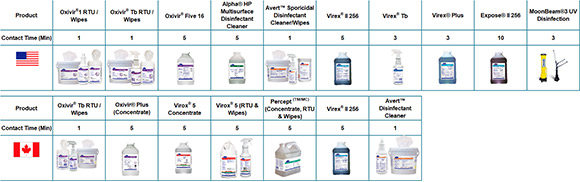
Bacterial pathogens are both Gram-negative and Gram-positive bacteria. Viral pathogens are both small, non-enveloped viruses and enveloped viruses. These organisms will be susceptible to the following Diversey disinfectants: