Leak Alert, a boiler leak detection system, especially designed to detect even small water losses, is an excellent tool joined by a knowledge base control approach for the control of internal water pH/alkalinity. A previous article explains in more details how these technologies operate.
The Leak Alert detection system is composed of continuous analysis and determination of both water mass and chemical mass balances.
Water Mass Balance
Water mass balance approach happens by comparing the inputs and outputs of water within the boiler. Whenever there is an imbalance, it may indicate a possible leak, which will be analyzed if it is statistically significant. Flow signals for water and steam into and out of the boiler must be available, as seen in Figure 1.
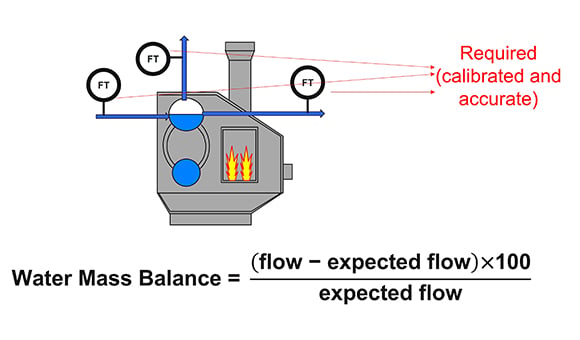
Figure 1 – Hardware requirements for water mass balance leak indication.
Chemical Mass Balance
On the chemical side, the system compares the theoretical phosphate residual to its current concentration in the boiler water. Similarly to the water mass balance, whenever there is a water loss, there will most likely be an imbalance, which after statistical analysis may indicate a leak alarm. The hardware required for chemical mass balance calculations is more complex, however it is essentially the same hardware required for the boiler pH – PO4 controller configuration (see Figure 2).
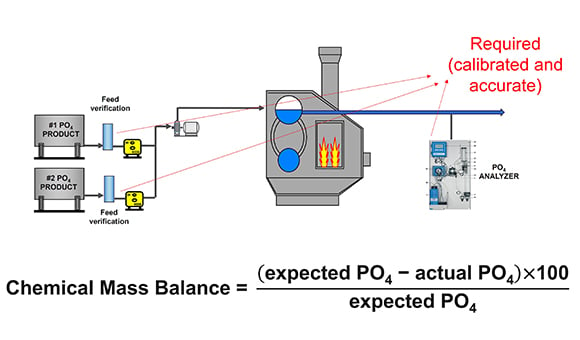
Figure 2 – Hardware requirements for chemical mass balance leak indication.
With the combination of both water and chemical balances, this dual approach becomes more reliable for both the “cycled” part (boiler bank, drums, etc) of the boiler, and the non “cycled” part (economizer, superheater, etc). Since the chemical balance uses phosphate concentration, it can detect much smaller leaks compared to the approach using only water mass balance. Water flowmeters, especially for large boilers, may have an accuracy level that could not be able to identify very little leaks.
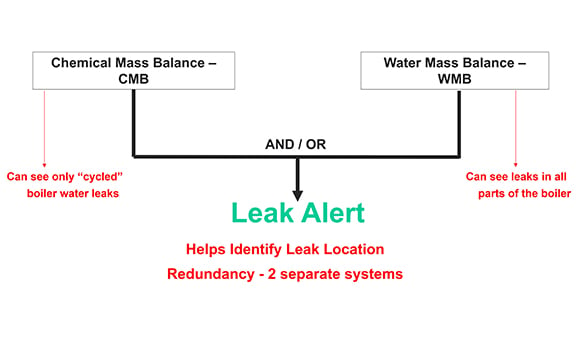
Figure 3 – Dual leak detection approach.
Possible leak indications
As a result of both water and chemical mass balance verifications, one can evaluate the possibility of a leak in the boiler. Table 1 shows potential locations for the leak indications according to the detection.
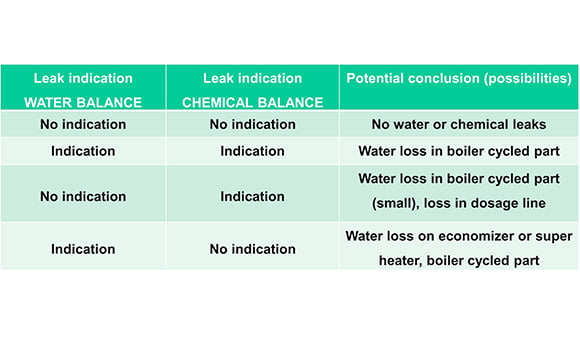
Table 1 – Leak location information derived from mass balance indicators.
* For simplicity, Table 1 assumes actual water and/or chemical losses are the cause of the indications.
Case History
A large pulp mill recovery boiler was monitored for both water and chemical mass balances during its operations. A boiler shutdown happened due to problems at the plant. After the boiler returned to operation, it started first to indicate a water mass imbalance, with much more water entering the boiler (feedwater) than leaving (in form of steam and blowdown). Once the first automatic chemical test (PO4) was done, the chemical mass approach also indicated a possible leak. After some standard investigations, boiler operation stopped, and a leak was later confirmed due to a possible contraction-dilation phenomenon.
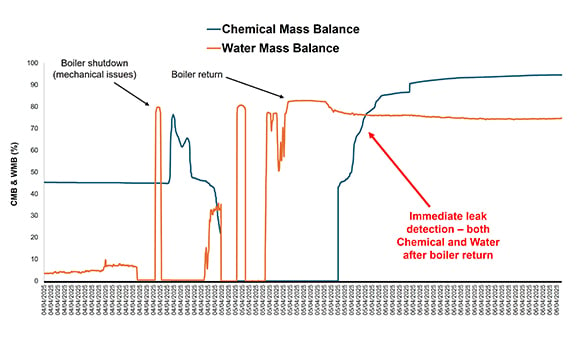
Figure 4 – Leak detection after boiler shutdown and startup.
Effective water treatment relies on understanding each operation’s unique characteristics and continuously optimizing every step of the process.
At Solenis, we combine innovative chemistries, advanced monitoring and control systems, and expert support to help our partners overcome these challenges and operate more efficiently and sustainably.
Learn more about how our water treatment solutions can help you achieve your operational and sustainability goals.