Why this matters NOW
El Niño is a recurring climate phenomenon characterized by unusually warm Pacific Ocean surface temperatures that disrupt global weather patterns. It typically occurs every 2–7 years and can last up to 12 months. Current ENSO models indicate a high likelihood that the ongoing event will persist into the 2026–2027 winter period. Beyond a meteorological event, El Niño represents a systemic supply chain and economic shock, historically impacting feedstock availability, logistics, and industrial production globally.
Implications for suppliers and categories
Based on historical data and current risk intelligence, several regions and categories are particularly exposed:
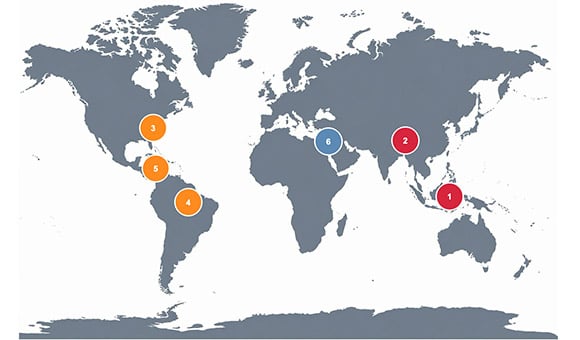
Most impacted categories historically Ammonia, Urea, Sulfuric acid, Sulfur, Ethanol, Surfactants, AKD, Palm-derived oleochemicals and bio-based inputs.
Solenis expectations: What we ask you to do now
If your operations, manufacturing sites, logistics routes, or upstream supply chain may be exposed to El Niño-related risks, please:
- Review your Business Continuity Plan and confirm it covers climate-related disruption scenarios.
- Assess whether your supply to Solenis could be impacted by production, logistics, feedstock, water, energy, or labor constraints.
- Asses risk along your supply chain and your suppliers’ contractual resilience, including allocation and force majeure readiness if needed.
- Inform your Solenis procurement contact immediately if you identify any potential supply risk.
- Be prepared to share relevant BCP or mitigation information if requested as part of a supplier readiness review.
- Proactively notify Solenis of any emerging disruption, allocation risk, or force majeure concern.
Solenis Supplier Risk Program activation
This initiative is part of the broader Supplier Risk Program and Solenis might decide to conduct risk-based supplier readiness assessments (desk reviews and Supplier Business Reviews), prioritizing engagement with critical and strategic suppliers in hotspot regions.
Closing message
El Niño is not just a climate anomaly it is a predictable and recurring supply chain stress test.
Proactive preparation, robust BCPs, and close collaboration between Solenis and its suppliers will be essential to mitigate disruption risks and maintain continuity of supply.
"Your partnership is essential. Together, we're building a more agile, responsible, and future - ready supply chain"
- Alberto Bozzi, Chief Procuroment Officer Solenis