Solenis + NCH:<br/>Forward As One
NCH is now part of Solenis
Close 686C6711-FB74-47F4-AFEE-14D0F9C09B39

Supplemental Disinfection

Innovative chemistries, advanced monitoring and control systems, and expert support for your water treatment challenges.

Enhanced Water Safety

Ensuring safe and clean drinking water is a critical priority for facility managers, engineers, and water treatment professionals. Public water systems (PWS) are responsible for providing customers with a safe, but not sterile, water supply. Supplemental disinfection provides an additional layer of protection against harmful pathogens, ensuring compliance with health regulations and improving water quality.

At Solenis, we specialize in advanced water management plans that incorporate supplemental disinfection to safeguard systems.

Why Supplemental Disinfection Matters

Even with primary disinfection methods like chlorination, water systems can still be vulnerable to microbial contamination due to biofilm growth, treatment issues, intrusions, or stagnation. Supplemental disinfection helps address these risks by introducing secondary treatment solutions such as Chlorine Dioxide (ClO₂) and EPI Ionization Systems.

By integrating these methods into a comprehensive water management plan, facilities can minimize health risks and help ensure regulatory compliance.
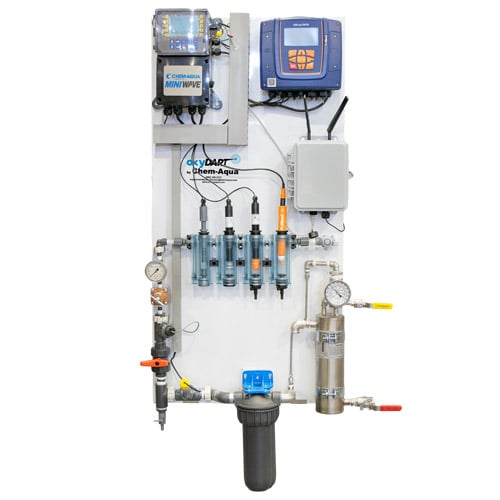
oxyDART systems can be used as a stand-alone water management plan validation tool or to control oxidant feeds in both domestic hot and cold water. We offer multiple options for chloride and chlorine dioxide (ClO2) delivery tailored to site-specific water usage, space constraints, and safety policies.

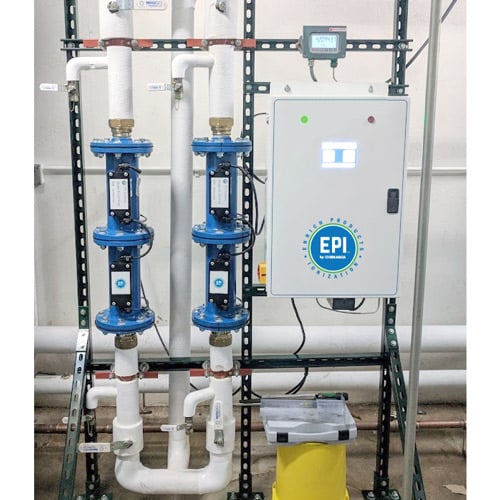
Copper (Cu) and silver (Ag) have been valued for centuries for their antimicrobial properties. Today, they are used in many industries as an alternative to traditional disinfectants in potable water systems to help manage bacteria, particularly those which cause Legionnaires’ disease. Copper-silver ionization is proven, effective technology that can reduce bacteria growth without generating halogen-based disinfection byproducts. 

Key Benefits of a Proactive Water Management Plan

A well-designed water management plan is essential for maintaining water safety and helping prevent outbreaks. Key advantages include:

  • Pathogen management – Targets harmful microorganisms like Legionella and E. coli 
  • Regulatory compliance – Meets CDC, ASHRAE, and local health department standards
  • Cost efficiency – Can reduce long-term maintenance and outbreak-related expenses 
Steps to Implementing Supplemental Disinfection
  1. Risk assessment – Identify potential contamination sources through system audits.
  2. Customized treatment selection – Choose the best supplemental disinfection method based on water quality and facility needs.
  3. Ongoing monitoring – Use real-time sensors and periodic testing to ensure effectiveness.
  4. Documentation and compliance – Maintain records for audits and regulatory reviews.

We're here to help.

Whether you're building a career that lets you make a real difference or need reliable answers to your toughest process and water sustainability questions, we're ready to deliver.

Customer Support

If you have a question or need insights from a specialist, we can help.

Customer Stewardship

From award-winning innovation to recognized safety excellence, we bring partnership and value to every interaction.