pH is one of the most fundamental water quality parameters in industrial water treatment. It provides critical insight into the chemical characteristics of water and can play a central role in determining how systems perform. From cooling towers and boilers to closed loops and wastewater, maintaining proper pH control can be essential to protect equipment, optimize treatment programs, and ensure regulatory compliance. Unexpected changes in pH often serve as a warning sign of underlying problems that need quick correction.
What is pH?
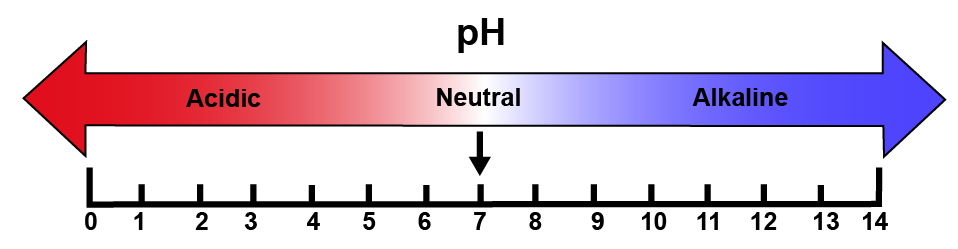
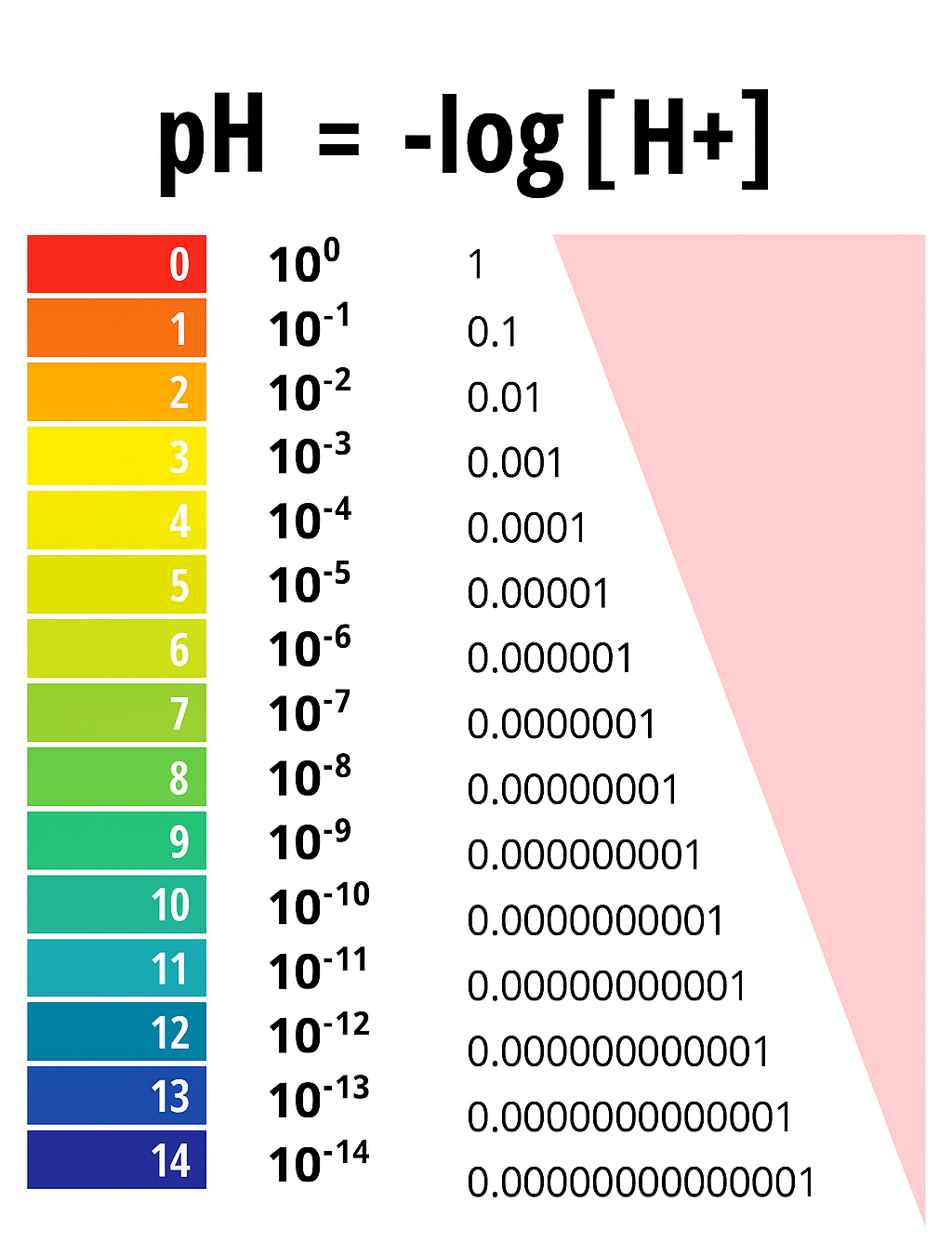
pH is a measure of how acidic or basic (alkaline) a solution is on a scale of 0 to 14. By definition, it is the negative logarithm of the hydrogen ion concentration. This fundamental concept in water chemistry is based on the dissociation of the water molecule into hydrogen (H+) and hydroxyl (OH-) ions: H₂O ↔ H+ + OH-.
- pH < 7: Acidic conditions (higher hydrogen ion concentration)
- pH = 7: Neutral conditions (pure water at 25°C)
- pH > 7: Alkaline conditions (lower hydrogen ion concentration)
It's crucial to remember that pH is a logarithmic scale. This means that each whole unit change in pH represents a tenfold change in acidity or alkalinity. For instance, water with a pH of 6.0 is ten times more acidic than water with a pH of 7.0, and water at pH 8.0 is 100 times more alkaline than water at pH 6.0. This logarithmic relationship explains why even small changes in pH can have significant impacts on water chemistry.
Why is pH Control Critical in Industrial Water Treatment?
Maintaining the correct pH range is paramount for ensuring system integrity, optimizing chemical performance, and preventing costly problems like corrosion and scale.
Condensate systems are particularly vulnerable to corrosion from carbonic acid, which forms when carbon dioxide dissolves in condensed steam. Neutralizing amines (such as morpholine, cyclohexylamine, and DEAE) are added to raise the condensate pH, typically to 8.0-9.0 to protect both ferrous and copper components. Ammonia is sometimes used, but care is needed with copper alloys.
Corrosion Control:
Low pH conditions can cause severe corrosion of steel components in boilers, feedwater lines, economizers, and piping. Iron solubility increases as pH drops below neutral.
- For boiler systems, a pH range of 9-11 is often desirable for the corrosion protection and the formation of a stable, protective magnetite (Fe3O4) film. Feedwater pH recommendations generally fall between 8.3 and 10, with specific ranges for different boiler pressures and metallurgies.
- Condensate systems are particularly vulnerable to corrosion from carbonic acid, which forms when carbon dioxide dissolves in condensed steam. Neutralizing amines (such as morpholine, cyclohexylamine, and DEAE) are added to raise the condensate pH, typically to 8.0-9.0 to protect both ferrous and copper components. Ammonia is sometimes used, but care is needed with copper alloys.
Scale Formation and Deposit Control:
- The tendency of water to form calcium carbonate scale is heavily influenced by pH. A higher pH generally lowers calcium solubility and increases the tendency for scaling.
- In boilers, phosphates are often added to precipitate calcium as hydroxyapatite, which forms best above pH 10. This helps prevent hard, dense scale formation.
- In reverse osmosis (RO) systems, lowering the pH can reduce the scaling tendency of the feedwater allowing for higher permeate production rates. Conversely, raising the feedwater pH to approximately 8.2 converts most carbon dioxide into bicarbonate, which is better rejected by the membrane, thus achieving lower permeate conductivity.
Optimizing Chemical Treatment Programs:
- Biocides: The efficacy of chlorine and bromine as biocides can be pH-dependent. Both oxidizing and non-oxidizing biocide performance may be impacted by pH. Some perform optimally within specific pH ranges while others may be rapidly deactivated or lose efficacy if the pH is too high or low.
- Boilers: Establishing the proper pH helps ensure optimal performance of oxygen scavengers, phosphate programs, and other treatment chemicals. Polymers, used for dispersing particles and complexing hardness ions, have an optimal pH range for effectiveness (commonly alkaline).
- Wastewater Treatment: pH control can be crucial for maintaining optimum pH for the removal of contaminants, metal, or oil, and for ensuring the success of polymer programs. Specific pH adjustments are often required for processes like hydroxide precipitation of metals, sulfide precipitation, and demulsification. Biological processes in wastewater typically operate best within a specific pH range.
- Cleaning Procedures: For RO membranes, acid cleaners (e.g., hydrochloric acid) are used at pH 1-2 to remove inorganic precipitates like calcium carbonate, while alkaline cleaners are used at pH 11-12 to remove organic fouling and biofouling. Operating for extended periods of time at extreme high or low pH can damage RO membranes, though. In boilers, after acid cleaning, an alkaline treatment is required to neutralize residual acid and condition metal surfaces.
What Factors Influence pH
Several factors can cause pH to shift in water systems:
- Makeup water characteristics (alkalinity, dissolved solids)
- CO₂ absorption from the air (carbonic acid formation)
- Chemical additions (acids, caustics, treatment products)
- Microbiological activity (bacteria can generate acidic byproducts)
- Operating conditions (cycles of concentration, process contamination)
Understanding these influences is key to diagnosing and correcting pH control problems.
How is pH Measured and Monitored
Accurate pH measurement is critical for effective system control. Two common methods are:
- Electronic pH Meters (benchtop & online): Provide higher accuracy but require proper calibration and maintenance. Regular calibration with reliable standard solutions and keeping electrodes clean and moist are essential for accurate readings.
- pH Reagent Kits & Test Strips: Simple and quick but less precise. While convenient, deciphering the exact color can sometimes be challenging.
In industrial applications, online pH sensors are often used to provide continuous readings for real-time control and adjustment.
It is also important to note the pH of a cooled water sample can differ from the pH at the operating temperature and pressure within a boiler circuit. Also, measuring pH of high purity waters can be slow and difficult due to low ionic concentration and high susceptibility to contamination (e.g., absorbed carbon dioxide from the atmosphere will lower the pH).
Controlling pH in Treatment Programs
Maintaining proper pH levels typically involves:
- Acid feed systems to control scaling by lowering pH.
- Caustic feed systems to raise pH and minimize corrosion in certain systems.
- Buffering agents to help stabilize pH and reduce fluctuations.
Because pH interacts with so many other aspects of water chemistry, control strategies should always be tailored to the specific system and application.
Back to Basics Takeaway
Industrial water systems are complex, and protecting them requires more than just off-the-shelf chemicals. At Chem-Aqua, our pre-cleaning and passivation services are supported by:
- Site-specific evaluations
- Proper chemical selection and dosing protocols
- System performance monitoring
- Detailed documentation and support
Our field experts work directly with customers and construction teams to ensure pre-cleaning and passivation are conducted safely, effectively, and in compliance with system requirements.
Final Thoughts
pH may seem like a simple number on a scale, but its impact on industrial water treatment is anything but simple. Proper monitoring and control are essential to prevent corrosion, scaling, microbiological growth, and regulatory issues. Understanding the fundamentals of pH and how it affects your system is an important step toward developing a successful water treatment program.
Contact us today with any questions you may have about pH or any of these “Back to Basics” topics.