A properly functioning deaerator is critical to the protection of steam boiler systems. Venting is important for the proper operation of a deaerator. Routine monitoring of venting can provide clues for identifying and solving potential problems. When deaerators have issues, they send out distress signals for all to see, but so often they are overlooked. The vent is rarely where it can be conveniently observed and in many cases it isn’t even visible. The vent’s physical layout can tell you a lot, but the venting can tell a story like no other.
Follow the Vent Lines
The first encounter with an unfamiliar deaerator should always start by physically following the vent lines from the deaerator to the exhaust. Before you even get to the end of the vent line, you will learn what you are likely to see. Long horizontal runs with twists and turns should immediately alert you that there will likely be venting issues. The vent line below is crying for help!
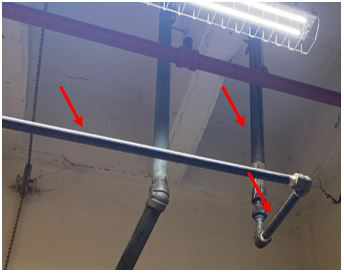
As the steam travels through the vent, it cools which can cause it to condense. As it condenses, the horizontal lines begin to fill with condensate and can eventually completely block the flow of exhaust gases. Just looking at the vent design can reveal a lot of information.
Vent Exhaust
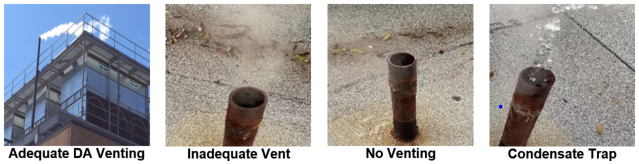
In a properly operating deaerator, steam along with dissolved gases are discharged to the atmosphere at the exhaust of the vent line. A quick glance to verify a steady flow of steam may not provide the information you need. Rather, you may need to watch the vent over time recording variations in the steam plume for evidence of problems. Initially, it may appear to have adequate venting and that’s when the water treatment amateurs stop observing. But as time goes by, the amount of steam venting may tell you a different story. And if you’re patient, Voila! The infamous “burp” occurs where the condensate being trapped in the vent line bursts to freedom before the process repeats itself. If you are good, you can capture the moment for your photo archives! A simple inspection of the vent will guide you in the right direction.
Pulling a Vacuum
The venting sequence above may also be a sign of something completely different. Maybe the deaerator is pulling a vacuum, and instead of venting out the gases, it is actually sucking gases back in.
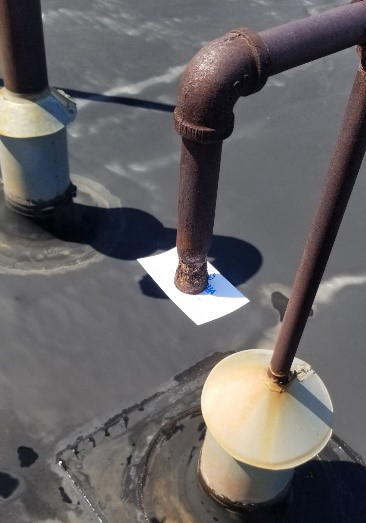
How can a pressurized vessel pull a vacuum through the vent? As water is converted to steam, it expands and the volume of space the steam occupies is substantially greater than the volume the water will occupy at a given pressure. At 0 psig, one cubic foot of water becomes 1,646 cubic feet of steam! Anything that causes the steam to condense to water quickly can create an immediate vacuum. Air can be pulled in through the vent to replace the space that had previously been filled with steam.
Troubleshooting Deaerator Venting Problems
If you see periodic “burping,” this may mean that steam is condensing in the vent line and dissolved gases are not being efficiently removed. This can result in high oxygen scavenger or amine usage and potentially cause severe corrosion problems. The best way to address this problem is to reconfigure the vent line so that it is as short and straight as possible.
Where a vacuum is found along with periodic burping, there is likely a problem supplying enough steam to properly heat the incoming cold makeup water. The causes may include:
- Blockages in the strainer ahead of the steam regulator
- Damage to deaerator internals
- Excessive makeup rates due to condensate losses
- Improperly sized steam regulator
Conclusions
We are often expected to diagnose complex problems often with little to no data. The key to success is to find the clues to solving the mystery and piecing them together. Recognizing there is a venting problem is the first step, but if left unresolved, severe damage and unexpected failures can occur. Sometimes the answers are out in the open, and we just need to open our eyes to see them.
When you experience tough deaerator problems, sometimes you just have to vent. Contact us today to learn more.