Where there is water, there is life. This includes cooling, chilled, process, and drinking water systems that facilities use every day. This life not only exists within the bulk water but sets up home on the surfaces of the water-related equipment, such as heat exchangers, piping, and basin walls. We call this deposit biofilm.
What is Biofilm
Biofilm is a collection of surface-attached microorganisms that are held together and protected by a sticky, bacterial secretion. Bacteria prefer to live in biofilms, which can start out microscopic in size within a matter of hours but grow into visible biofouling deposits in just a matter of days.
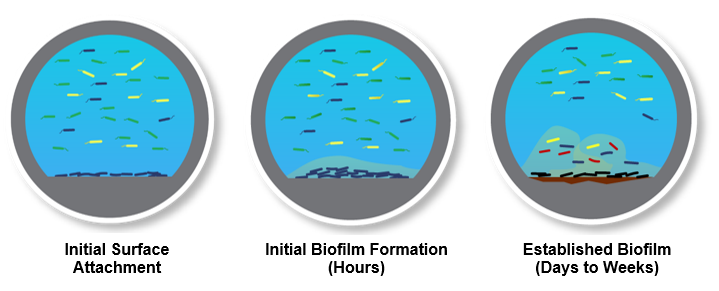
Dirt, corrosion byproducts, and other debris readily attach to biofilm enhancing the formation of the deposits. Conditions that make biofilm formation favorable include:
- High levels of planktonic (free-floating) bacteria
- Water stagnation
- Presence of scale and/or corrosion
Why is Biofilm a Problem?
The dynamic, complex structure of biofilm protects the bacteria from biocide additions, allowing them to form highly sophisticated communities that constantly adapt to become resistant to chemical treatments and mechanical removal.
Microbiologically influenced corrosion (MIC) associated with biofilm is the primary cause of corrosion failure in water systems. If not addressed and managed appropriately, biofilm can become the root cause of serious and costly problems in potable and industrial water systems that directly impact reliability, efficiency, and safety.
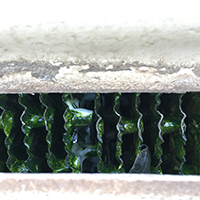
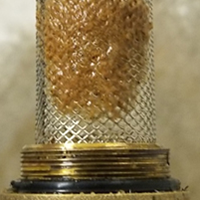
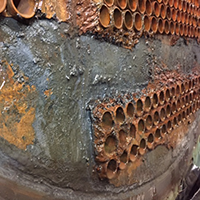
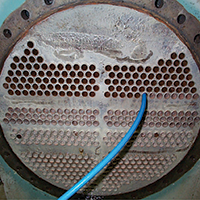
Biofilms can impact system asset life, efficiency, energy costs, and safety in many ways.
- Four (4) times more insulating than scale, leading to increased energy costs
- Reduces flow and heat transfer
- Increases process downtime due to low flow, inadequate cooling, and equipment failures
- Accelerates corrosion rate by up to 1,000 times (NACE Study, 2016)
- Legionella and other pathogenic bacteria growth that thrive in biofilm
- Equipment damage increasing repairs, replacement, and operational costs
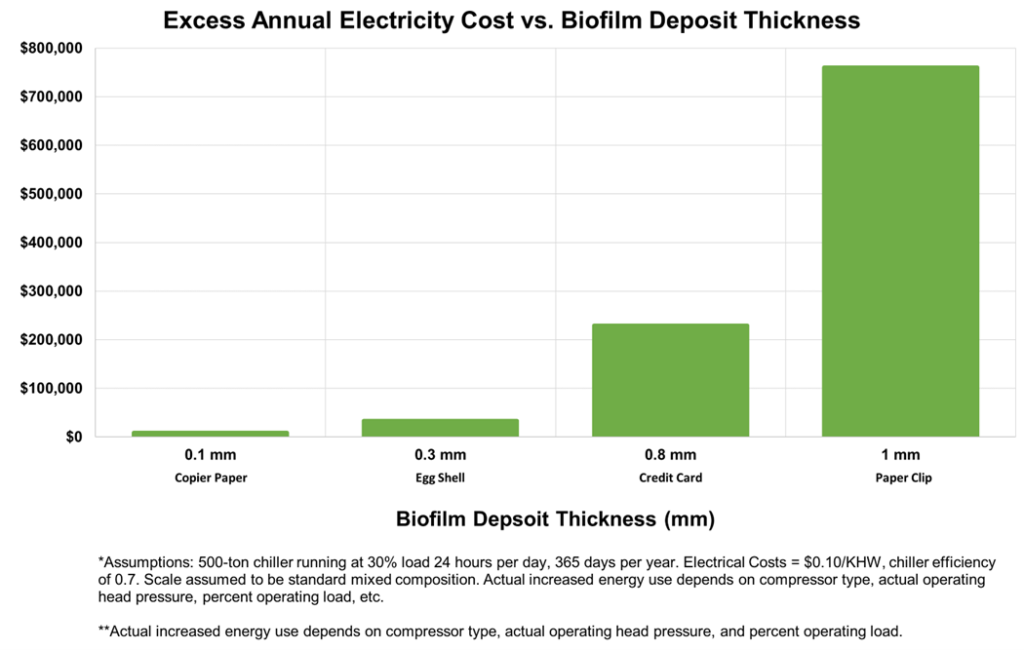
Why Are Biofilm Deposits Hard to Remove and Control?
Biofilms tend to start in areas not accessible to biocide treatments and can quickly grow to form biofouling deposits. Once established, biofilms are incredibly tenacious and hard to control.
Biofilm formation is closely associated with dead legs (i.e., sections with low/no flow) and idle equipment in standby chillers, economizers, basin equalization lines, out-of-service filters, capped expansion piping, and standby pumps, just to name a few. Understanding system design and water flow and identifying dead legs are important for biofilm control.
Microbiological Test Methods
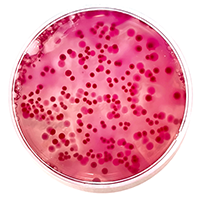
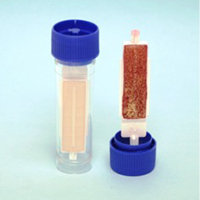
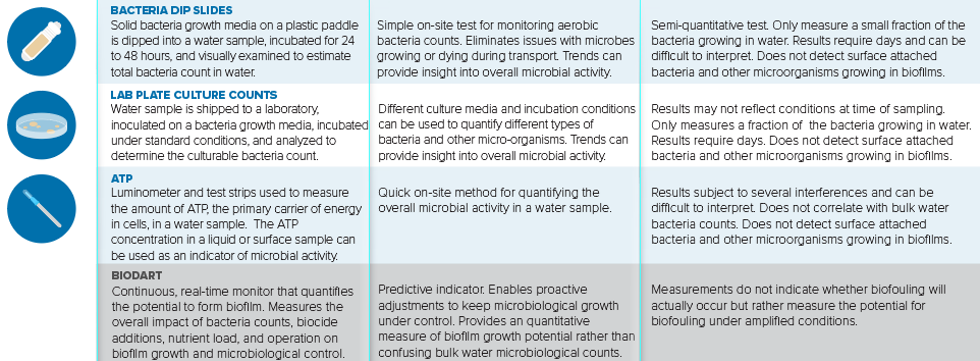
Typical methods for testing biofilm include bacteria dip slides, lab plate culture counts, and ATP (adenosine triphosphate). Each method has its pros and cons, as outlined in the table below.
Controlling Biofilm
Due to the complexity of both biofilms and their impacted water systems, biofilm control requires a multipronged approach. Managing biofilm involves more than just adding biocidal chemicals to a system. It requires cleaners, filtration, corrosion and scale inhibitors, effective application and monitoring, and onsite expertise.
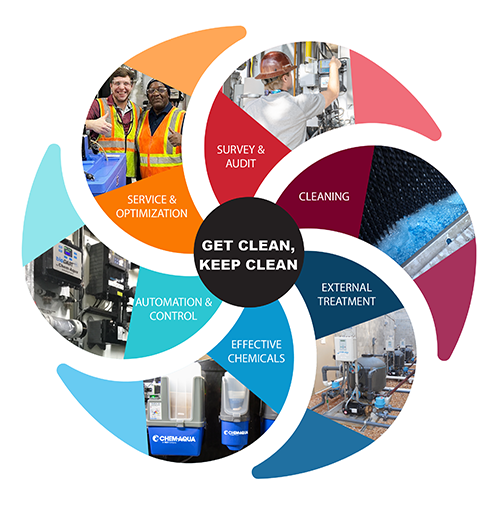
Our Get Clean, Keep Clean™ program provides specialized products, equipment, and expertise needed to solve difficult biofilm problems.
- Biocide Treatment Products: Biocides are chemicals used to control microbiological growth. There is a wide array of options depending upon the types of microorganisms present, water characteristics, holding time index, environmental restrictions, etc.
- bioeXile® Cleaning Solution
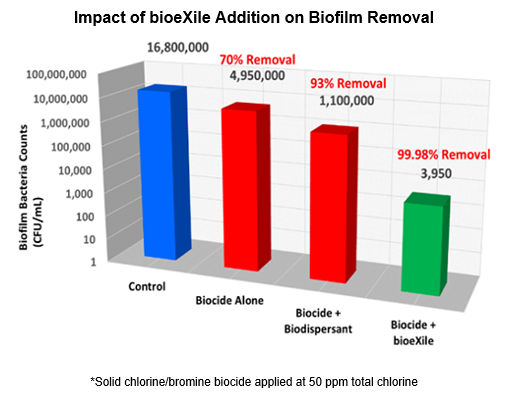
- Our bioeXile cleaner disrupts the inert outer matrix protecting the biofilm deposits. Bacteria and other microorganisms released into the bulk water following bioeXile applications allow for a more effective kill when paired with a biocide addition.
- 1,250 times more effective removal than biocide alone
- 278 times more effective removal than biocides + surfactant biodispersants
Monitoring Biofilm
By the time microbiological testing, visual inspections, and operational data indicate the presence of a biofilm issue, serious biofouling problems may have already developed that negatively impact system reliability and efficiency. Continuous, online biofouling monitoring can be vital to mitigating these system impacts.
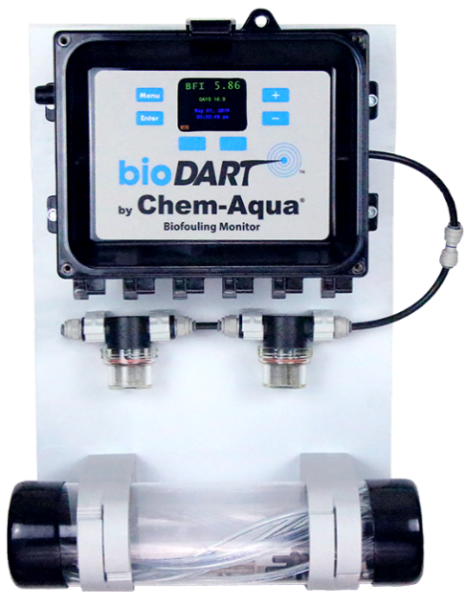
We developed the bioDART® Biofouling Monitor to automatically measure the potential for biofilm formation in real time. The bioDART uses advanced optical sensors to measure biofilm formation under standard conditions that amplify the potential for growth. It generates a sensitive Biofouling Index (BFI) reading that reflects the impact of bacteria counts, biocide additions, nutrient load, and operating conditions. Unlike traditional methods for monitoring microbial control, the bioDART provides a continuous, predictive measure of the core problem, which is the bacteria growing inside biofilms. The bioDART provides valuable, practical data that can be used to monitor and improve biofilm control in water systems.
Conclusion
Understanding and controlling biofilm in water systems can have a major impact upon system life, efficiency, safety, and total costs of operations. Solenis has the proven expertise and technology to help identify, control, and monitor biofilms. Contact us today to assess the impacts of biofilm on your water systems and develop a custom program to keep your water systems running efficiently.
Related Resources
Watch our video: The bioDART® Biofouling Monitor