
Discover how hotel cleanliness impacts guest satisfaction, OTA scores and repeat bookings; plus, the zero-tolerance areas no property can afford to miss.
Article summary: Guests judge hotel cleanliness in seconds - especially smell, bathrooms, linens, floors, and pool areas. If any of these “zero‑tolerance” zones feel off, trust drops fast and the stay is more likely to end in a negative review. Standardizing what “clean” means across hotel properties (clear standards, consistent products/processes, scalable training, and performance monitoring) is the most reliable way to safeguard guest satisfaction, repeat bookings and ultimately, protect a hotel’s brand.
Guests rarely describe hotel cleanliness in technical terms. They describe how it made them feel.
Analysis of guest feedback consistently shows that cleanliness is one of the strongest emotional drivers of satisfaction — and dissatisfaction. When guests feel confident in a hotel’s hygiene, they relax. When they do not, everything else fades into the background. Cleanliness becomes the story they tell, and often the reason they do not return.
Research into guest reviews shows a clear pattern: cleanliness is noticed immediately, remembered longest and mentioned most often when expectations are not met. It is a defining part of the guest experience and a critical factor in online reputation and repeat bookings.
This article explores what guests notice, where hotels most often lose trust and how a structured, standardized approach to cleanliness protects both guest satisfaction and brand performance.
Guest satisfaction data consistently shows that cleanliness carries high weight in how a stay is evaluated. While guests may accept small compromises in room size or amenities, they are far less tolerant when hygiene feels uncertain.
For example, even if a room looks spotless, an unpleasant odour—such as dampness or strong chemical smells—can quickly undermine trust and create the impression that " something isn’t truly clean.”
Hotel guests see cleanliness as a sign of overall quality. If a room does not feel clean, guests question everything else - from linens to air quality to shared spaces. That doubt directly influences how they rate the property and whether they recommend it to others.
Cleanliness failures are rarely forgiven because they undermine something fundamental: the guest’s sense of safety and care.
Guests do not conduct formal inspections, but they do assess cleanliness instinctively and quickly.
Insights from guest reviews show that first impressions depend on a few simple things guests notice right away:
These signals form an immediate judgment. Even when cleaning processes are robust, a single visible issue can outweigh everything done correctly.
This is why technical cleaning standards are not enough. Cleanliness must align with how guests perceive and interpret their environment.
Review analysis consistently points to specific areas where cleanliness issues are most likely to trigger complaints.
Guests expect bathrooms to always look and smell clean. Any sign of residue, hair, staining or odor immediately signals failure. Bathrooms are one of the most frequently mentioned areas in negative cleanliness reviews.
In practice, Diversey’s field experience with hotels shows that the most common issues are mildew buildup and limescale deposits,
Pools are highly visible hygiene indicators. Cloudy water, debris, slippery surfaces or strong chemical smells quickly undermine guest confidence. Pool decks, loungers and surrounding wet areas are often closely checked, and any sign of poor maintenance is interpreted as a broader cleanliness issue across the property.
Linen quality and appearance are closely tied to trust. Even in or linens that look old or worn out can lead guests to question hygiene practices, regardless of laundering standards.
Experience across hotel environments shows that stains on carpets, curtains, and upholstered furniture both in guest rooms and public areas like lobbies and restaurants are a common concern.
Overlooked areas communicate rushed or inconsistent cleaning. Guests often interpret these details as evidence that standards are not being followed consistently.
Cleanliness is not only visual. Odors are strongly associated with hygiene in guest feedback, and negative comments frequently describe rooms as “not clean” based on smell alone.
These areas represent a zero‑tolerance threshold. When they fail, guests are far more likely to leave a negative review.
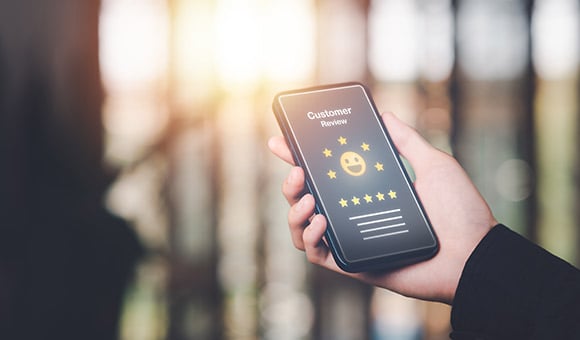
For hotel groups, the greatest cleanliness challenge is rarely effort - it is consistency.
In multi‑property environments, cleanliness standards (SOP’s: Standard Operating Procedures) are not always interpreted consistently across locations. Variations in training, products, staffing, and local practices lead to uneven guest experiences, even within the same brand.
From the guest’s perspective, brand inconsistency feels like broken trust. A clean stay in one property sets expectations for the next. When those expectations are not met, dissatisfaction is amplified.
Standardizing cleanliness requires:
Without standardization, even well‑intentioned and well-trained teams struggle to deliver predictable results.
For hotel groups, the real challenge is not recognizing the importance of cleanliness. It is about delivering the same level of cleanliness consistently, across different properties, teams, and geographies.
Drawing on long experience working with hospitality operators, Diversey, a Solenis company, supports hotels in taking a structured, practical approach to standardizing cleanliness.
The first step is defining what “clean” means from the guest’s point of view. This is typically done in collaboration with cleaning partners, such as the chemical manufacturer and the building service contractor (BSC).
Rather than focusing only on tasks, the cleaning standard defines the experience the hotel wants guests to have on each property. It prioritizes the areas that have the greatest impact on guest perception and booking behavior, including restrooms, entrances, floors, tables, pools and other customer‑facing spaces.
Once the standard is defined, hotel owners and managers need a clear plan for achieving it across different layouts, property types and regions.
This plan brings together carefully selected products, processes, tools and equipment. For example, concentrated cleaning products can help reduce waste while supporting consistent results, and color‑coded tools can help prevent cross‑contamination between areas such as lobby restrooms, spas, restaurants and pool facilities.
Training is often one of the biggest barriers to consistency in multi‑property operations. Bringing all employees together at one time is rarely practical, and staff turnover adds further complexity.
Online training programs help address this challenge by making learning available 24/7, in multiple languages, and tailored to different job roles and properties. These programs are most effective when combined with targeted in‑person training for specific topics, helping teams apply standards consistently on the floor.
To maintain consistency over time, cleaning performance needs to be monitored and reviewed. Secure auditing platforms can collect and analyze data in real time, helping organizations identify trends by employees, facilities, and property.
This insight supports continuous improvement by showing where cleaning programs need refinement and where retraining may be required. Over time, the gap between guest expectations and cleaning outcomes becomes smaller and more predictable.
By following these four steps - defining standards, planning delivery, training teams and monitoring performance - hotels can build and maintain a consistent brand experience across multiple properties. Providing guests with clean, well‑maintained rooms, public spaces and pools helps strengthen trust, encourage repeat visits and support long‑term brand loyalty.
Hotels can turn everyday cleaning into a measurable driver of net positive hospitality by rethinking their cleaning products.
Request your free set of advices for smooth operationsThere are areas where a single miss can break trust and drive complaints typically bathrooms/wet areas, beds and linens, floors/edges, odor control and pools.
Smell followed closely by bathroom freshness. If the room smells musty, stale, or overly chemical, many guests assume cleaning was rushed (even if surfaces look fine).
Because they signal consistency. Guests often interpret missed edges and dust buildup as evidence that the entire cleaning routine is unreliable.
Define a guest‑focused standard, use consistent products/processes, train by role with refreshers, and monitor performance using both audits and guest feedback trends.
Download a hotel zero‑tolerance cleanliness checklist to standardize hygiene practices, ensure critical areas are never missed, and support consistent guest satisfaction.