Quick Answer: What Is the Real Cost of a Kitchen Hygiene Failure?
A kitchen hygiene failure can cost a hotel much more than a failed inspection or regulatory fine. Beyond the immediate compliance risk, poor hygiene practices can lead to foodborne illness incidents, guest complaints, reputational damage, excessive water and energy consumption, chemical waste, labor inefficiencies, equipment downtime and lost revenue. The most successful hotel food and beverage operations address these risks through structured hygiene programs, standardized procedures, staff training, automation, and data-driven performance monitoring.
Why Kitchen Hygiene Failures Are More Expensive Than You Think
A kitchen hygiene failure rarely starts with a major incident. More often, it begins with small inconsistencies: an improperly cleaned food contact surface, incorrect cleaning chemical dilution, poorly maintained washing equipment or gaps in staff training. Individually these issues may appear minor. Combined, they create significant operational and business risks.
The Visible Costs
The visible consequences of a hygiene failure are well known and for many hotels, food safety is the top priority.
A hotel may face failed food safety inspections, regulatory penalties, legal and insurance expenses, temporary closures, and the costs associated with corrective actions. According to the Food Safety Institute, the financial impact of foodborne illnesses reaches billions of dollars annually.
However, focusing only on compliance can make it easy to overlook the wider business impact of ineffective kitchen hygiene management.
The Hidden Costs
Less visible—but often more damaging—are the operational inefficiencies that accumulate over time:
- Excessive water and energy consumption
- Repeated dish washing cycles
- Cleaning chemicals overuse
- Excess packaging waste
- Drainage and grease management issues
- Labor inefficiencies
These costs directly affect profitability while also increasing the environmental footprint of hotel food and beverage operations.
What a Failed Food Safety Inspection Really Costs a Hotel
Hotels operate in an environment where guest trust can be won — or lost — in a matter of moments.
Concerns about food hygiene can quickly create doubt about the overall quality of the property. Once that doubt takes hold, it often extends beyond the immediate issue, influencing how guests perceive the hotel as a whole. For hotels, a hygiene failure is therefore more than an operational issue—it is a trust issue that can affect guest loyalty, online reputation and future bookings long after the problem has been resolved.
Lost Revenue and Business Disruption
A failed inspection often triggers much more than corrective cleaning measures. Management teams may need to divert resources toward remediation activities, retraining programs, and operational reviews. Service disruptions can affect banqueting operations, restaurant availability, and guest satisfaction. Even short periods of disruption can have measurable financial consequences.
The Long-Term Reputation Risk
Today's guests frequently research reviews before booking. A single publicized food safety incident can affect online ratings, social media conversations, and brand perception long after the issue has been resolved.
Unlike repairing damaged equipment, rebuilding guest confidence can take months or even years.

The Operational Costs Most Hotels Overlook
One of the biggest opportunities for hotel operators is recognizing that inefficient hygiene management creates operational waste long before it creates a compliance problem.
Rewash: The Invisible Drain on Resources
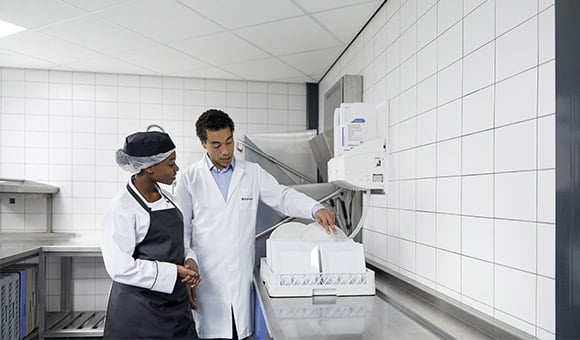
Dishwashing is one of the most resource-intensive activities within food and beverage operations. Every unnecessary rewash cycle consumes additional water, energy, cleaning chemicals and labor. When repeated at scale across restaurants, bars, room service and banquet operations, the costs can quickly escalate. Based on Diversey’s experience working with hotel operators, rewash is often an overlooked source of inefficiency that can significantly affect operational performance and sustainability outcomes.
Chemical Overuse and Inconsistent Dosing
Manual chemical dosing introduces variability into cleaning processes, compromising hygiene outcomes, costs and waste management while creating unnecessary environmental impacts.
Automated dispensing systems help improve consistency while reducing product overuse and supporting safer operations. By controlling dosing accuracy, hotels can improve hygiene performance while lowering total cleaning costs.
Drain Management and Grease Buildup
Leading hotel operators increasingly recognize that effective hygiene management extends beyond the cleaning process itself. It also includes understanding how wastewater, grease and food residues move through the drainage system and how these factors can affect overall operational performance.
Accumulation of fats, oils and grease can contribute to:
- Blocked drains
- Grease trap overflows
- Unplanned maintenance
- Kitchen disruptions
- Increased labor costs
- Compliance challenges
Effective hygiene management therefore extends beyond visible cleaning tasks and includes wastewater management as part of a holistic operational strategy.
Equipment Downtime and Repair Costs
Cleaning systems influence equipment performance more than many operators realize.
Incorrect dosing, poor maintenance practices and inefficient cleaning procedures can shorten equipment life spans, increase service requirements, and contribute to costly downtime. Conversely, well-managed cleaning programs help protect assets while supporting operational continuity.
Dishware breakage
Dishware breakage can represent a significant hidden cost for hotel food and beverage departments.
Beyond the direct cost of replacing broken items, excessive breakage can create operational disruptions, inventory shortages, and health and safety risks for employees and guests.
By tracking breakage rates, analyzing trends, observing front- and back-of-house practices, and engaging employees in the process, hotels can identify opportunities to improve handling procedures and increase operational awareness. In practice, targeted improvement programs have the potential to generate savings of 10% to 15% on breakage-related costs.
Why Responsible Cleaning Is a Business Performance Strategy
Leading hotel operators increasingly recognize that responsible cleaning is not simply a sustainability initiative—it is a business performance strategy. When implemented effectively, it helps protect food safety, enhance guest satisfaction, support employee wellbeing, and maintain operational continuity. At the same time, it can improve water and energy efficiency, reduce waste, and contribute to long-term profitability. The goal is not to choose between sustainability and hygiene. The most successful food and beverage operations achieve both, creating cleaner, safer, and more efficient environments while using resources more responsibly.
Using Fewer Resources Without Compromising Hygiene
Modern food and beverage operations have an opportunity to simultaneously strengthen hygiene performance and reduce their environmental footprint.
Solutions such as Concentrated cleaning products with accurate dilution systems can help minimize waste, reduce packaging, and improve dosing consistency.
At the same time, Optimized warewashing operations can deliver more consistent cleaning results while lowering water, energy, chemical and packaging consumption.
The result is a smarter, more resource-efficient operation that supports food safety, sustainability objectives, and long-term profitability.
Improving Employee Safety and Consistency
Responsible cleaning also benefits kitchen teams.
Standardized procedures, safer formulations, and controlled dispensing systems help create more consistent outcomes while supporting employee wellbeing, training effectiveness, and operational confidence.
How Smart Kitchen Hygiene Programs Eliminate the Risk
The most successful hotels do not rely on reactive cleaning practices. They implement structured programs designed to prevent failures before they occur.
Establish Standard Operating Procedures
Documented cleaning procedures provide consistency across shifts, sites, and team members. Clear expectations help reduce human error and improve accountability.
Automate Where Possible and Monitor Key Performance Indicators
Automated dispensing systems and connected cleaning technologies help improve dosing accuracy, reduce waste, and support operational consistency. They also provide greater visibility in performance trends.
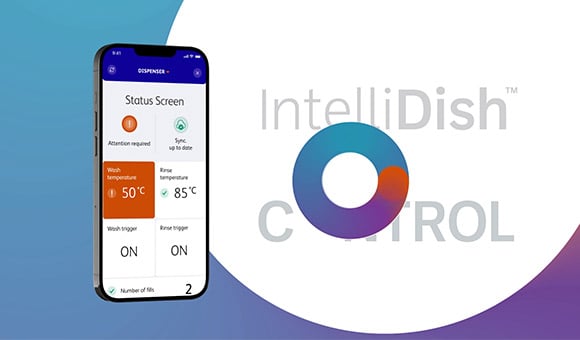
Future-ready FOOD AND BEVERAGE operations increasingly track metrics such as:
- Rewash rates
- Water consumption
- Energy usage
- Chemical consumption
- Equipment uptime
- Service interruptions
Data-driven monitoring allows operators to identify inefficiencies before they become larger operational or compliance issues.
Build a Strong Food Safety Culture
Technology and automation can help reduce risk, but food safety ultimately depends on people. Employees need to understand not only what procedures to follow, but also why they matter. Gaps in knowledge and behavior remain one of the most common root causes of food safety risks in food service environments.
The most effective programs combine training, leadership engagement, regular audits, and continuous improvement. They create a culture where food safety is a shared responsibility. This is especially important in hospitality environments, where staff turnover can make consistency challenging.
When employees are supported through training , coaching and clear standards, food safety in hospitality becomes an operational advantage that helps reduce risk, improve consistency, and strengthen guest trust.
Responsible cleaning helps hotels move beyond compliance and turn hygiene management into a driver of operational excellence.
By combining the right products, systems and processes, food and beverage teams can improve efficiency while reducing the consumption of water, energy and cleaning chemicals. Optimized warewashing operations, accurate dosing systems, and data-driven performance monitoring help eliminate unnecessary rewash, reduce waste, and improve consistency across the operation.
FAQ: Kitchen Hygiene in Hotel Food and Beverage Operations
Most kitchen hygiene failures do not stem from a single major issue. Instead, they are often the result of small gaps that accumulate over time, such as inconsistent cleaning procedures, incorrect cleaning chemical dilution, inadequate staff training, equipment maintenance issues, or poor monitoring of hygiene processes. When left unaddressed, these gaps can increase both compliance risks and operational costs.
The most effective approach is to implement a structured kitchen hygiene program that combines standard operating procedures, regular staff training, routine audits, and performance monitoring. Hotels that adopt consistent cleaning processes and use technologies such as automated dosing and connected monitoring systems are often better positioned to maintain compliance and reduce risk.
Rewash is one of the most overlooked sources of inefficiency in hotel kitchens. Every unnecessary wash cycle consumes additional water, energy, labor, and cleaning chemicals. Monitoring rewash rates can help operators identify process issues early, improve cleaning consistency, and reduce operating costs while supporting sustainability goals.
Yes. Many of the same practices that strengthen hygiene performance can also reduce environmental impact. Concentrated ecolabeled cleaning products, accurate dilution systems and optimized warewashing operations can help reduce water, energy, chemical and packaging consumption while maintaining high food safety and hygiene standards.
Guests increasingly view cleanliness and hygiene as indicators of overall quality. Concerns about food hygiene can quickly undermine confidence in a property, affect online reviews, and influence future booking decisions. Strong hygiene standards help protect guest trust, support brand reputation, and contribute to a more positive guest experience.
Technology can help hotels improve consistency, visibility, and control. Automated dispensing systems support accurate dosing, while connected monitoring solutions provide insight into key performance indicators such as water consumption, chemical usage, rewash rates, and equipment uptime. These insights help operators identify inefficiencies before they become larger operational or compliance issues.
Technology and procedures alone are not enough. Food safety ultimately depends on the actions and decisions people make every day. A strong food safety culture encourages employees to understand why procedures matter, promotes accountability, and supports consistent execution across shifts and locations. This is particularly important in hospitality environments where staff turnover can be high.
Responsible cleaning helps hotels move beyond compliance and turn hygiene management into a driver of operational excellence.
By combining the right products, systems and processes, food and beverage teams can improve efficiency while reducing the consumption of water, energy and cleaning chemicals. Optimized warewashing operations, accurate dosing systems, and data-driven performance monitoring helps eliminate unnecessary rewash, reduce waste, and improve consistency across the operation.
Ready to Elevate Your Operations?
Hotels can turn everyday cleaning into a measurable driver of net positive hospitality by rethinking their cleaning products.
Request your free set of advices for smooth operations